What to know about Leamouth local council rules for floral tributes
Posted on 13/10/2026
If you are arranging flowers after a funeral, memorial, or a difficult family moment, the last thing you want is confusion about where tributes can go, how long they can stay, or whether they might be moved. That is exactly why understanding What to know about Leamouth local council rules for floral tributes matters. In practice, the rules are usually less about ceremony and more about space, safety, cleanliness, access, and respect for everyone using the area.
Leamouth has its own local context, and like much of London, floral tributes often need to fit around busy pavements, shared public spaces, and maintenance schedules. So, whether you are placing a single bouquet, a wreath, or a larger memorial arrangement, it helps to know the likely expectations before you turn up with flowers in hand. Truth be told, that small bit of planning can save a lot of stress later.
This guide breaks the topic down in plain English: what the rules usually mean, how they work in real life, what tends to be allowed or discouraged, and how to choose tributes that feel appropriate, tidy, and considerate. You will also find a checklist, a practical example, and a few expert tips that make the process easier.
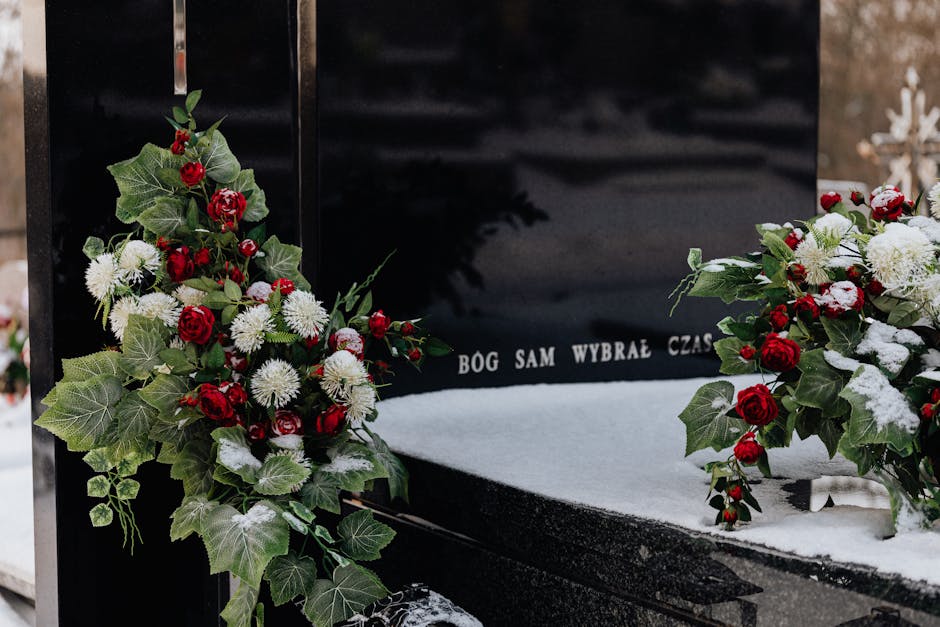
Table of Contents
- Why Leamouth floral tribute rules matter
- How local council guidance on floral tributes usually works
- Key benefits and practical advantages
- Who this is for and when it makes sense
- Step-by-step guidance
- Expert tips for better results
- Common mistakes to avoid
- Tools, resources and recommendations
- Law, compliance, standards, or best practice
- Options, methods, or comparison table
- Case study or real-world example
- Practical checklist
- Conclusion
- Frequently asked questions
Why Leamouth floral tribute rules matter
When people are grieving, they often want to act quickly. Flowers feel immediate and comforting. A wreath at a gate, a spray near a church entrance, or a bouquet left in a quiet corner can say what words cannot. But public spaces are still public spaces, and that is where council rules come in.
In Leamouth, floral tributes may need to sit alongside foot traffic, road crossings, bins, cleaning routines, event access, or nearby businesses. A tribute that seems perfectly reasonable to the family can still create a trip hazard, block a path, or make maintenance awkward. Councils tend to focus on balance: allowing respectful memorials while keeping areas safe and usable.
This matters for families, florists, funeral directors, and anyone placing remembrance flowers on behalf of a group. It also matters if the tribute is connected to a public memorial point, a roadside remembrance, or a spot where lots of other people may also leave flowers. A little local knowledge avoids a lot of awkwardness. And yes, that includes the small but frustrating scenario where flowers are moved after a day or two because no one checked the local expectations first.
There is also the emotional side. People often visit the site more than once. They want the area to remain neat, recognised, and dignified. Clear rules help with that. They do not remove the meaning; they protect it.
How local council guidance on floral tributes usually works
Local council guidance for floral tributes is usually built around a few simple questions: where is the tribute being placed, how much space does it take up, how long will it remain there, and does it interfere with public use or safety?
Most councils do not treat every floral tribute the same way. A small bunch placed in an appropriate memorial area is different from a large display on a narrow pavement. A temporary tribute near a funeral service is different from flowers left in place for weeks near a busy crossing. That distinction is important.
In practical terms, you will often find that acceptable tributes are those that are:
- respectful and not obstructive
- small enough to fit safely in the space available
- placed where they are likely to be maintained or noticed
- clearly temporary unless a longer arrangement has been agreed
There may also be local expectations about wrappers, plastics, candles, ribbons, cards, and memorial objects. A bouquet with a card is usually simpler to manage than a tribute with extra signage, vases, or heavy decorative items. To be fair, councils are often more concerned with what happens after the flowers are left than with the flowers themselves.
If you are unsure, the safest assumption is this: if the arrangement would make sweeping, mowing, access, or cleaning harder, it may not be welcomed for long. That does not mean "no"; it means "keep it considerate."
Key benefits and practical advantages
Following the right local approach has benefits that go beyond simple compliance. You get peace of mind, but you also protect the dignity of the tribute and reduce the chance of it being removed or damaged.
Here are the main practical advantages:
- Less risk of removal: Tributes that fit local expectations are less likely to be cleared away.
- Better presentation: A tidy, appropriately sized arrangement looks more respectful in a shared space.
- Safer for the public: Well-placed flowers are less likely to cause trips or block visibility.
- Easier for families: Nobody wants to keep wondering whether the arrangement is allowed.
- Cleaner upkeep: Councils and site managers can maintain the area without conflict.
There is a quiet advantage too: when tributes are placed thoughtfully, they often feel more meaningful. A modest wreath or a carefully chosen spray can carry more emotional weight than a large arrangement that struggles to fit the space. Sometimes restraint is the more powerful gesture. That sounds a bit poetic, but it is true.
If you are choosing flowers for a memorial or funeral-related tribute, it can also help to browse a range such as funeral flowers in Leamouth E14 or compare options from tribute flowers when planning something respectful and suitable.
Who this is for and when it makes sense
This topic is relevant to more people than you might think. The obvious group is families arranging a memorial or funeral tribute, but the practical use is broader than that.
You may need to know the local rules if you are:
- organising funeral flowers for a cemetery, crematorium, church, or roadside memorial
- sending flowers on behalf of relatives who live elsewhere
- working with a funeral director who needs a tidy, compliant placement plan
- choosing flowers for a public remembrance event
- placing a tribute near a shared public area in Leamouth
- supporting a workplace or community group that wants to pay respects
It also makes sense for anyone trying to decide between a bouquet, a wreath, a spray, a cushion, a heart, or a letter tribute. Those formats do not just look different; they can also suit different spaces. A narrow rail or small memorial shelf may call for something compact. A larger ceremonial setting may suit a wreath or a letter tribute.
If you are sending flowers from a distance, services like send flowers in Leamouth or flower delivery in Leamouth E14 can be useful when the tribute needs to arrive at the right place and time without you being there in person.
Step-by-step guidance
If you want to get this right first time, a simple process helps. Nothing fancy. Just a few careful decisions.
- Confirm the exact location. Is the tribute going to a memorial site, funeral venue, church, roadside spot, or private address? The rules and expectations can differ quite a bit.
- Check whether the space is public or private. Public land is where council guidance tends to matter most. Private land is usually governed by the owner or venue manager.
- Choose the right format. A wreath, bouquet, spray, basket, or letter tribute may suit different spaces. Bigger is not always better.
- Keep the arrangement practical. Make sure it is stable, easy to place, and not likely to blow over or spread across a path.
- Use wording carefully. A card message should be clear, respectful, and not too long if the tribute is likely to be handled or read quickly.
- Think about timing. Ask how long the flowers can remain in place and whether there are collection or clearance schedules.
- Plan for weather. Wind, rain, and early morning damp can all affect the way a tribute looks by the end of the day.
- Keep packaging minimal. Less plastic, less clutter, fewer problems. Simple usually wins.
Here is the honest version: if you are not sure, choose the more modest option. That is rarely the wrong move. A compact, well-made tribute often performs better in a regulated setting than a dramatic one that causes hassle.
For practical browsing, many people compare sympathy flowers, wreaths, or sprays depending on the venue and the tone they want.
Expert tips for better results
From an on-the-ground point of view, the best floral tributes tend to be the ones that look calm, settled, and intentional. Not crowded. Not overworked. Just right for the moment.
Here are some expert-style tips that genuinely help:
- Ask about the site before ordering. A quick call or message can prevent a mismatch between the tribute and the location.
- Match the size to the setting. A small memorial table and a roadside verge are not the same thing.
- Choose sturdy flowers if the tribute will sit outdoors. Some blooms hold up better than others, especially in breezy weather.
- Use colours thoughtfully. White, purple, pink, and mixed tones can all feel appropriate, depending on the family's wishes and the setting.
- Keep the card message short and legible. In a public setting, people may see it quickly or from a distance.
- Consider how it will look after a few hours. Floristry is not only about the first impression.
If you need a more personal tribute, many families in London prefer a named or shaped design. For example, a letter tribute or personalised memorial piece can be meaningful, but it should still suit the location. If the site is tight on space, a smaller arrangement may be more respectful than a large statement piece. A bit of judgement goes a long way.
And yes, sometimes the simplest bouquet gets the strongest response. Flowers do not need to shout to be heard. Bit of a funny thought, but there it is.
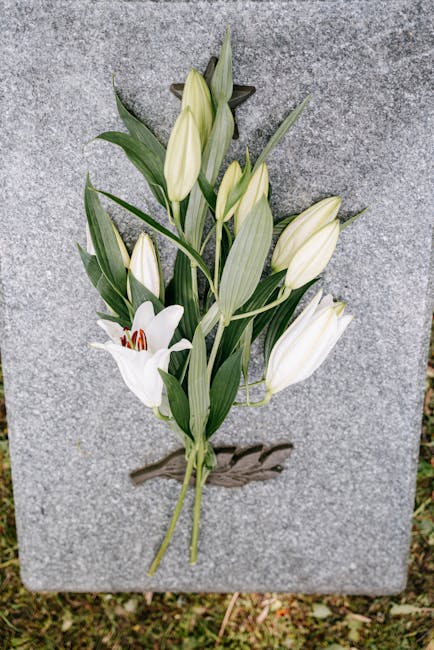
Common mistakes to avoid
Most problems with floral tributes are not dramatic. They are practical. A few small errors can create inconvenience, disappointment, or unwanted cleanup.
Watch out for these common mistakes:
- Leaving flowers in the wrong place: A tribute placed too close to entrances, steps, or narrow paths can be moved quickly.
- Choosing something too large: Oversized tributes can look lovely in a showroom and awkward in a real-world space.
- Ignoring collection expectations: Some flowers are cleared after a set period. If you do not know that, you may assume they will stay longer than they do.
- Using fragile packaging outdoors: Loose wrapping and lightweight ribbon can become messy in wind or rain.
- Overcomplicating the design: Too many extras can make the tribute harder to place and maintain.
- Assuming every site has the same rules: What works at one venue may not work in another. No, really, it changes that much.
One small but real issue: people often forget who will be dealing with the tribute after the service or memorial. If nobody can easily lift, move, or clear it, the arrangement becomes a burden. That is the point where a respectful gesture can accidentally turn into a practical problem.
Tools, resources and recommendations
You do not need specialist equipment to handle floral tributes well, but a few simple tools and habits make the process smoother.
Useful things to have or ask for:
- A clear delivery window: Helps the tribute arrive when the site is ready.
- Strong card attachment: Prevents messages from falling off in damp weather.
- Water-retaining mechanics: Helpful for tributes that need to stay fresh longer.
- Compact transport packaging: Reduces damage on the way to the site.
- Advice from a florist who knows local practice: This is often more useful than a generic online guide.
It can also be helpful to explore related flower pages when choosing the right style. For example, funeral flowers and sympathy arrangements are usually more suitable for memorial settings than general occasion flowers. If you are unsure, a florist-choice option can take some of the pressure off while still staying tasteful.
For deeper practical reading across the site, you may also want to look at flower care guidance, especially if the tribute needs to hold up over a longer period or during warm weather. A fresh arrangement can look beautiful on arrival and tired by evening if it is not handled properly. Happens all the time.
Law, compliance, standards, or best practice
Because floral tributes often sit in public or semi-public spaces, the main compliance issue is usually not a specific "flower law" but rather a mix of local authority expectations, property rules, and general public-safety principles. That means the safest approach is to treat council guidance, venue rules, and site-specific instructions as the main reference points.
In general UK practice, the following best-practice ideas apply:
- Do not block access routes, entrances, or emergency paths.
- Keep tributes stable and easy to remove if necessary.
- Respect cleanup or maintenance schedules.
- Use arrangements that are suitable for the space and weather conditions.
- Avoid leaving items that could become litter or create a hazard.
Where a memorial tribute is being placed on land managed by a council, cemetery, or venue, the local manager may set its own rules about size, duration, and permitted materials. That is normal. It is not anyone being awkward. It is simply how shared spaces stay functional and respectful.
If you are arranging flowers for a funeral service, it is sensible to check the venue or funeral director's guidance as early as possible. Even if they cannot give a full policy, they can usually tell you what tends to work in practice. A little caution saves embarrassment later, and grief is already heavy enough.
Options, methods, or comparison table
Different tribute types suit different situations. A quick comparison can help you choose the right format without overthinking it.
| Tribute type | Best for | Why it works | Things to watch |
|---|---|---|---|
| Wreath | Memorials, funerals, formal remembrance | Recognisable, balanced, easy to place | Can be bulky if the space is small |
| Spray | Funeral services and graveside tributes | Elegant and structured | Needs a stable surface or holder |
| Posy or basket | Smaller memorial areas | Compact and manageable | May be less visible from a distance |
| Letter tribute | Personalised messages, names, initials | Highly personal and expressive | Can be large, so space matters |
| Cross or heart tribute | Religious or deeply personal remembrance | Strong symbolic meaning | May require extra room and careful handling |
If you are aiming for something especially tailored, letter tributes and named designs can be thoughtful choices. But for many Leamouth settings, a modest wreath or compact sympathy arrangement is the calmer, safer option. In other words, choose for the space first, then the symbolism.
Case study or real-world example
Here is a realistic example from the kind of situation people run into all the time. A family wants to leave flowers after a service for a loved one in Leamouth. They are close to the area emotionally, but they are not local enough to know the exact layout. They choose a large tribute because it feels more meaningful, and the florist creates something beautiful. The problem? The memorial point is next to a narrow paved area that already sees foot traffic and maintenance access.
In that situation, the bigger tribute may not be wrong in spirit, but it is awkward in practice. A smaller wreath or a more compact sympathy arrangement would have been easier to place, easier to photograph, and easier to keep in situ without causing issues. The family still gets a respectful tribute, just one that fits the setting.
The useful lesson is simple: ask about the physical space before deciding on the style. If you can, share a photo of the location or describe it clearly. Even one extra detail - "it is a narrow entrance," "it sits by a gate," "it is outdoors and exposed" - can change the recommendation quite a bit.
In our experience, people are usually relieved when the choice becomes more practical. The emotional pressure eases once the tribute feels right for the place, not just right in theory. That is a small comfort, but a real one.
Practical checklist
Use this checklist before ordering or placing floral tributes in Leamouth:
- Have I confirmed the exact location?
- Is the area public, private, or managed by a venue?
- Does the tribute fit the size of the space?
- Will it obstruct paths, doors, steps, or access routes?
- Is the arrangement suitable for indoor or outdoor conditions?
- Have I checked whether there is a time limit or cleanup schedule?
- Is the message card short, clear, and respectful?
- Have I kept packaging and extras to a minimum?
- Do I know who to contact if I need clarification?
- Have I chosen a style that reflects the tone of the occasion?
If you can tick most of those off, you are probably in good shape. Not perfect, maybe. But good shape is usually enough.
Get a free quote today and see how much you can save.
Conclusion
Leamouth local council rules for floral tributes are really about respect in practice: respecting the person being remembered, the people attending, and the shared spaces where tribute flowers are left. If you keep the arrangement appropriate to the location, avoid blocking access, and check any local or venue-specific guidance early, you will usually avoid problems.
The best tributes are often the ones that feel calm, careful, and properly placed. Not overdone. Not rushed. Just right for the moment. And if you are still weighing up the right style, size, or delivery timing, taking a slower, more considered approach is rarely a bad idea. Grief already asks enough of people.
When the flowers arrive in the right place at the right time, they do what they are meant to do: offer comfort, honour memory, and say something tender without needing much explanation. That is the heart of it, really.
Frequently Asked Questions
Are floral tributes allowed everywhere in Leamouth?
Not everywhere. Whether flowers are allowed depends on whether the space is public land, private property, a memorial area, or a managed venue. Local expectations usually focus on safety, access, and respect for the site.
How long can floral tributes stay in place?
That depends on the location and whoever manages it. Some places allow tributes for a short time, while others may have a collection or maintenance schedule. If in doubt, ask before leaving them.
What kind of tribute is best for a public area?
Usually a compact, stable tribute works best. Wreaths, small sprays, posies, and basket arrangements are often easier to place than large or awkwardly shaped pieces.
Do I need permission to leave flowers at a memorial point?
Sometimes yes, sometimes no. It depends on who manages the site. If the flowers are going somewhere public or semi-public, it is sensible to check first, especially if the tribute is large or long-term.
Can a florist deliver the tribute directly to the site?
In many cases, yes, provided the location accepts deliveries and the timing is suitable. Services such as same-day flower delivery in Leamouth E14 or next-day flower delivery in Leamouth E14 can help when timing matters.
What flowers are most suitable for sympathy and remembrance?
Common choices include lilies, roses, chrysanthemums, carnations, and mixed sympathy designs. The most suitable option often depends on the tone of the tribute, family preference, and whether it will sit indoors or outdoors.
Are letter tributes too big for local memorial spaces?
They can be, depending on the space. Letter tributes are deeply personal, but they need enough room to sit safely and clearly. If the memorial area is tight, a smaller design may be more practical.
Will the council remove floral tributes?
They may remove them if they create a safety issue, block access, or stay in place longer than permitted. That is why it helps to follow the local guidance and keep arrangements manageable.
What should I write on a sympathy card for a tribute?
Short and sincere messages tend to work best. Simple words such as "With deepest sympathy," "Forever in our hearts," or "Thinking of you" are often enough. A card does not need to be long to be meaningful.
Can I send flowers if I do not live in Leamouth?
Yes. Many people arrange tributes from elsewhere and have them delivered locally. That is especially common when family members cannot attend in person.
Are cheaper tributes still appropriate for a formal memorial?
Absolutely. A tribute does not need to be expensive to be respectful. A well-chosen compact arrangement can feel just as meaningful as a larger one, sometimes more so.
What is the safest next step if I am unsure about the rules?
Choose a modest arrangement, confirm the location details, and ask the venue or florist for practical guidance. A small amount of checking now can save a lot of worry later.
And if you are still deciding, that is completely normal. A good tribute is not about getting everything perfect; it is about getting the feeling and the placement right, with care.